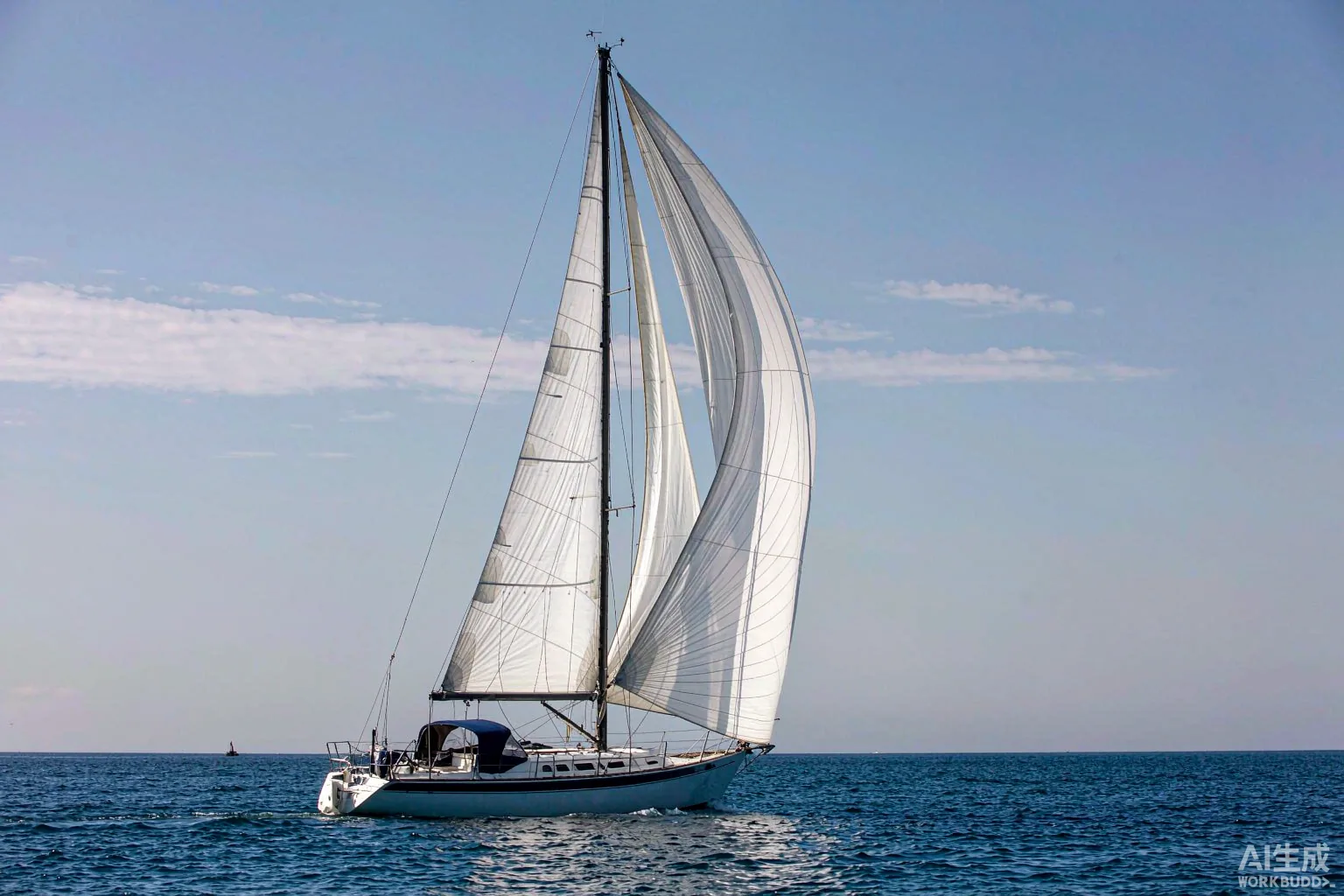
Rig types, and what they cost you
The rig determines crew workload, sail area and how easy the boat is to handle short-handed.
- Bermudan sloop — one mast, mainsail plus headsail. The standard modern rig: simplest to handle, easiest to source sails for, best upwind.
- Cutter — two headsails. More flexibility in heavy weather and better balance on long passages, at the cost of an extra furler and more strings.
- Ketch and yawl — two masts. Smaller individual sails that are easier to handle by a small crew, and flexible sail plans; slightly more windage and drag.
- Catboat and gaff rigs — classic and low-tech, lovely to look at, but usually heavier to handle and less efficient to windward.
Keel, rudder and how the boat actually sails
Keel configuration drives both performance and practicality. Fin keels point higher and turn faster; long keels track straight and are forgiving in heavy weather; wing and bulb keels pack stability into a shallower draught. Draught is often the limiting factor in real cruising, not speed — a shoal-draught design opens up anchorages and canals that a deep fin keel simply cannot reach.
Twin rudders, increasingly common on modern volume-production yachts, give better control when heeled and much better manoeuvrability under power in a marina.
Sail handling systems worth paying for
Modern cruising comfort is mostly about reducing the number of times someone has to go forward in bad weather. In-mast or in-boom furling, electric winches, and a well-laid-out cockpit with all lines led aft make a yacht manageable by a couple — or by one person — and they are the upgrades that most change day-to-day ownership.
None of it replaces seamanship. Sail trim, reefing early, and understanding how the rig loads behave in a gust matter more than any single piece of equipment.
Running costs versus a motor yacht
Sailing yachts are cheaper to run: fuel is a minor line item, engines are smaller and often single, and there are no pods or water jets to service. The savings are partly offset by rig costs — standing rigging should be replaced roughly every 10–12 years, and a full suit of sails is a significant five-figure expense when the time comes.
Berthing is often cheaper too, because a given length of sailing yacht needs a narrower berth. Insurance is broadly comparable at similar hull values.
Choosing between a cruiser and a cruiser-racer
Cruiser-racers compromise interior volume and stowage for speed and a lighter feel on the helm. Pure cruisers carry more tankage, more refrigeration, more storage and heavier ground tackle — the things that make long-term living aboard possible.
Be honest about how much racing you will actually do. Most owners who buy a cruiser-racer for the occasional club race would be happier with a well-built cruising yacht and a good set of sails.