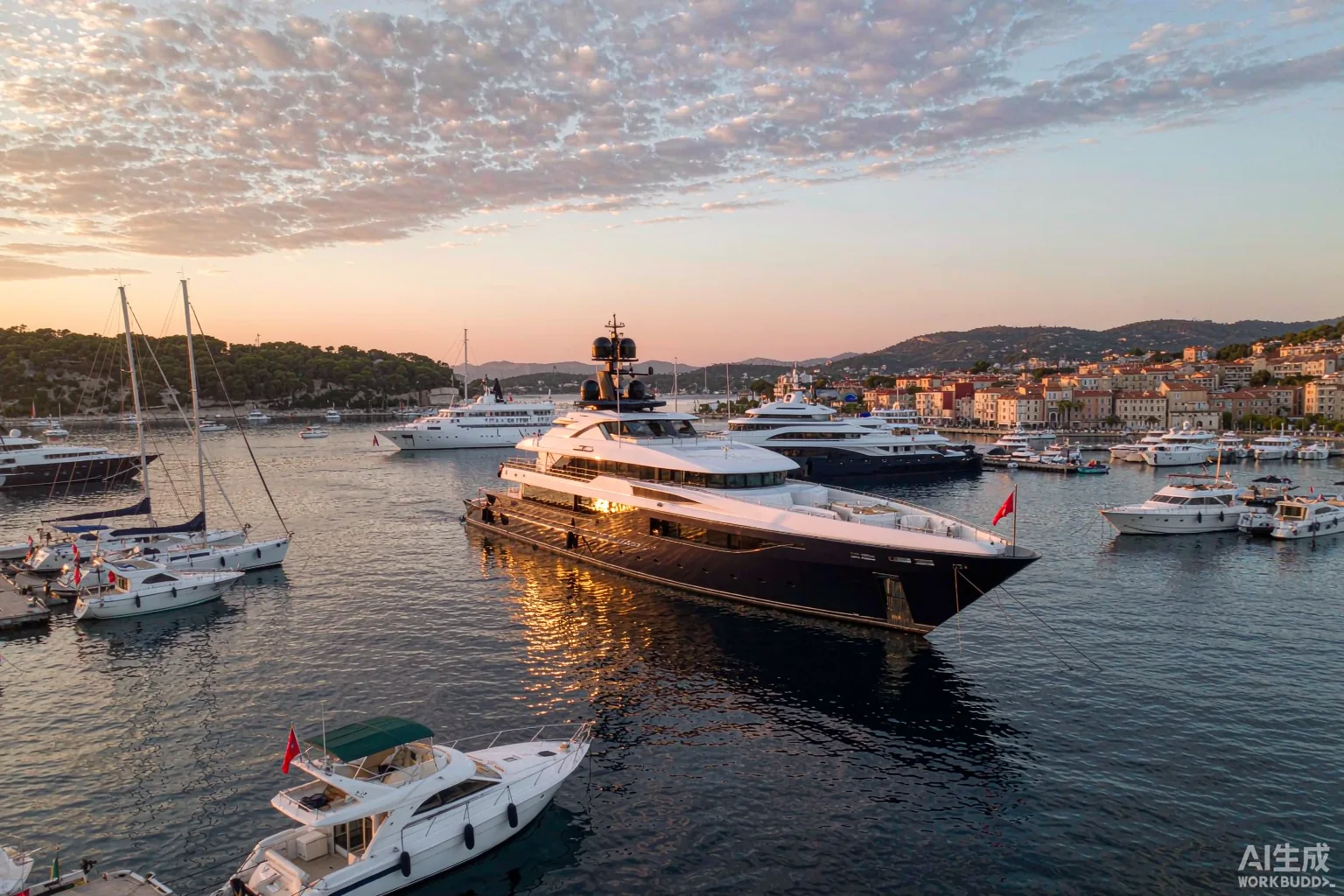
What actually defines a superyacht
Length is the headline number, but tonnage, class certification and crew requirement are what separate a superyacht from a very large motor yacht. Vessels above 24 m fall under flag-state regulation, which brings stability and safety certification, mandatory crew qualifications and periodic surveys.
The practical consequence is that a superyacht is a small business. Budgeting, compliance, crew rotation, yard periods and flag administration are ongoing functions, not one-off tasks.
Design, layout and the modern aesthetic
Contemporary superyacht interiors have moved decisively away from heavy wood panelling. The prevailing direction is large uninterrupted glazing, pale timbers and stone, indoor-outdoor flow with sliding or folding bulkheads, and beach clubs at the stern that open directly to the water.
- Beach clubs and swim platforms have become the social centre of the boat, often larger and more used than the main saloon.
- Guest cabins are increasingly convertible, so a yacht can shift between family cruising and charter configuration.
- Sound and vibration isolation is where real money is spent — and the first thing experienced owners notice when they step aboard.
- Lighting design is now a dedicated discipline, with scene programming for day, dinner and anchorage moods.
Crew: the real operating system
A 30–40 m yacht typically carries five to eight crew: captain, chief engineer, chef, chief stewardess and deckhands. Beyond 50 m the crew structure becomes departmental, and the captain's job is largely management rather than driving the boat.
Crew cost is the largest single annual expense for most superyachts, and recruiting well is the difference between a yacht that runs smoothly and one that spends seasons in the yard. Management companies exist precisely to handle this layer.
What superyacht ownership costs
As a planning benchmark, annual operating cost for a professionally crewed yacht runs in the region of 8–12% of the vessel's value, and a new build or major refit is a separate capital exercise entirely. Berthing, fuel, insurance, crew wages, provisioning, yard time and flag/class fees are all material line items.
Charter can offset part of that, but a yacht that charters commercially must comply with commercial codes, which raises both build standard and ongoing cost.
The purchase process in short
Buying a superyacht is closer to a property transaction than a boat sale. Expect a broker or central agent, a written offer and deposit, a sea trial, a full survey and sea trial by a class-approved surveyor, then legal and flag registration work before completion.
For a new build, add a naval architect, an interior designer, a project manager and a yard contract that specifies milestones and penalties. Timelines of 18–36 months from contract to delivery are normal.