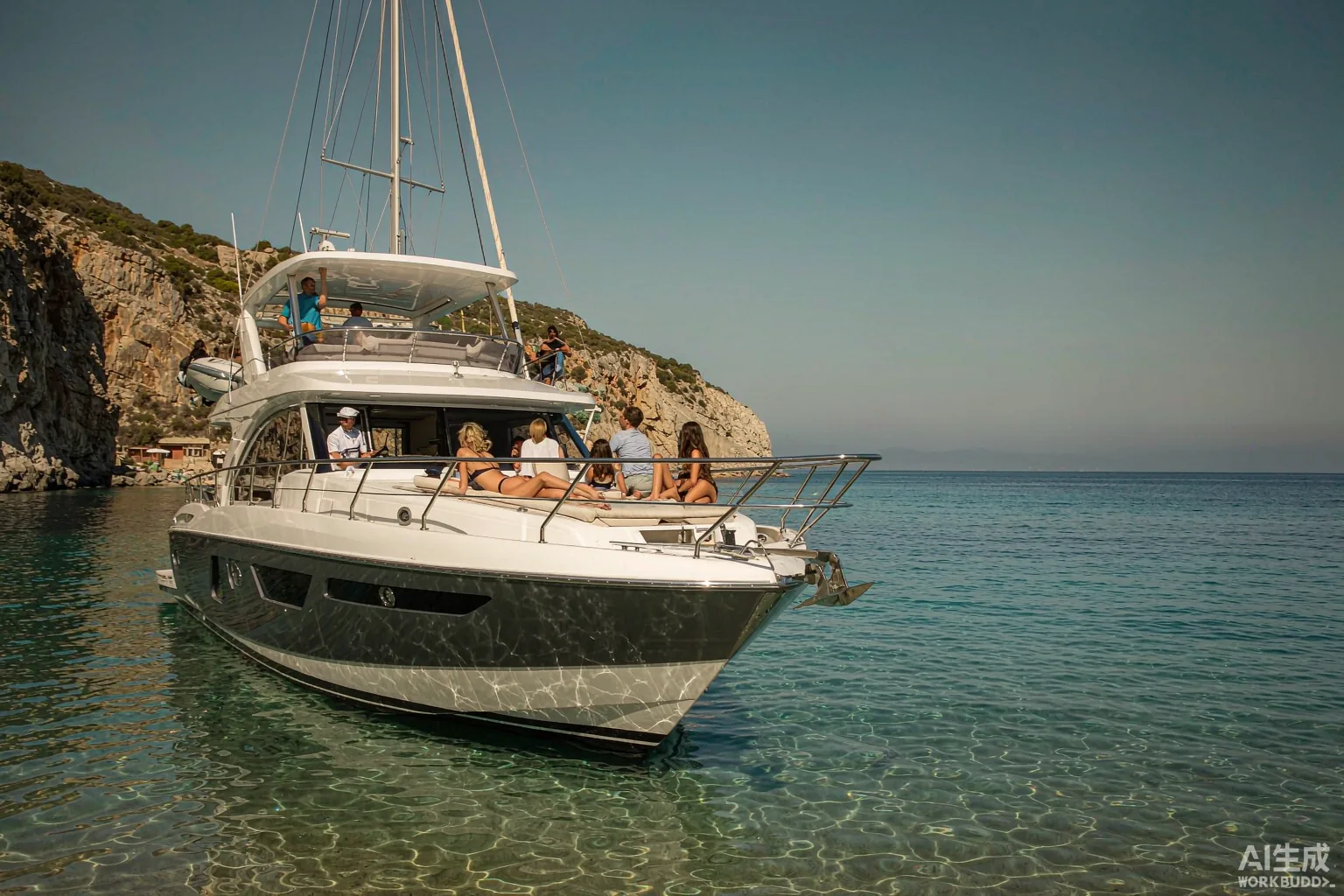
Crewed versus bareboat charter
Crewed charter includes a captain, and often a chef and stewardess. You arrive, the boat is provisioned, and the itinerary adjusts to weather and preference. It is the option for anyone who does not hold a licence, wants a genuinely relaxing week, or is travelling with people who care more about the destination than the sailing.
Bareboat charter gives you the yacht to run yourself. It requires a recognised qualification and a sailing CV in most destinations, and it costs significantly less. The trade-off is that you are responsible for navigation, anchoring and everything that goes wrong at 2 a.m.
What a charter week actually costs
Charter pricing is seasonal, and the difference between high and low season can be 40% or more. In the Mediterranean, a mid-size crewed monohull or catamaran during peak summer sits in the mid-to-upper five figures per week in USD, while bareboat of the same length is a fraction of that — before provisions, fuel, marina fees and crew gratuity.
Almost every charter contract separates the base fee from the advance provisioning allowance (APA), which typically covers fuel, food, dockage and any marina charges. Budget the APA on top of the quoted weekly rate.
Where to charter, and when
Destinations are weather-driven, which is why the charter calendar moves around the globe.
- Mediterranean — May to October, with the Greek islands and Croatia best in the shoulder seasons when anchorages are quieter.
- Caribbean — December to April, with the trade winds delivering reliable sailing and short hops between islands.
- South-East Asia — November to April, with Thailand and Malaysia offering dramatic scenery and low costs ashore.
- Pacific Northwest and northern Europe — June to September, for wildlife, fjords and long daylight.
- Bahamas and Florida — year-round, with shallow clear water and short passages that suit first-time charter guests.
How to choose a yacht and crew
Match the yacht to the group, not to your ambitions. Six guests in three cabins on a well-run 50 ft catamaran are usually happier than the same six on a faster but tighter monohull. Ask for the specific yacht's layout and recent photographs, not a sister-ship brochure.
Read crew profiles closely. A captain with a decade in the area will give you a better holiday than a marginally newer boat. For crewed charter, food is a genuine differentiator — ask about the chef's style and provision for dietary requirements in advance.
Charter as a route to ownership
If you are considering buying, charter first in the region and season you plan to cruise. Spend a week living aboard with the same number of people you expect to travel with, and note how often you actually move, anchor, swim and cook. Those observations are worth more than any specification sheet.
Fractional and shared-ownership programmes extend the same logic: you buy a share of use rather than the whole asset, which suits people who can cruise a limited number of weeks a year and do not want to carry full ownership costs.